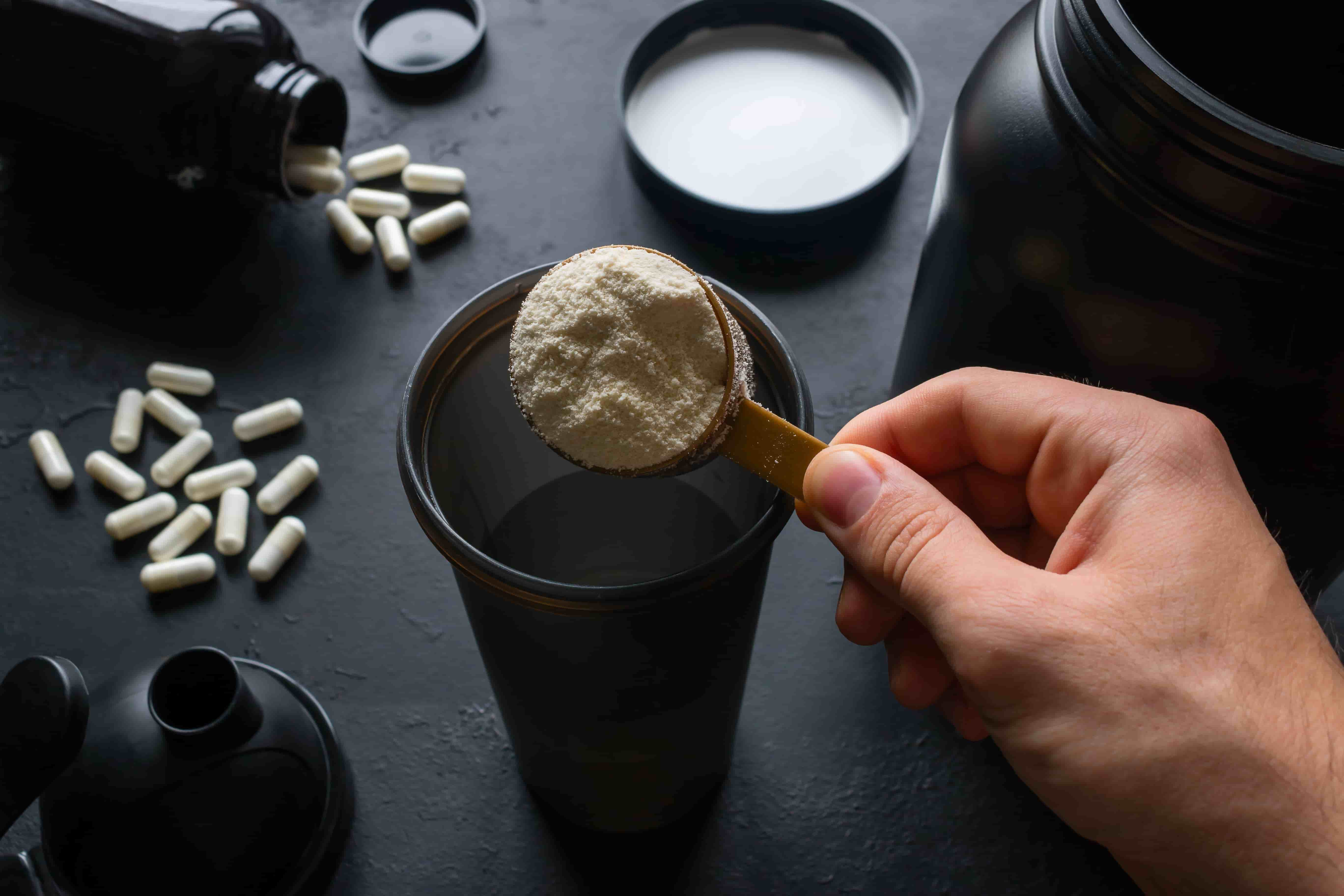
The possession or use of performance-enhancing drugs in sport (otherwise known as “doping”) is a serious sports integrity issue which athletes and sports organisations face on a regular basis.
The ban on doping helps to promote “fair play” in both amateur and professional sport, to foster a healthy environment for the athletes, a level playing field, and helps to advance a “clean” public image.
However, it can be overwhelming for athletes and sports organisations to be confronted with doping-related cases – they are legally complex and can be emotionally taxing matters. At SportsLawyer, we can help ease this burden with our expert advice based on over 20 years of experience in these matters, and our personal touch.
The World Anti-Doping Code is the core set of anti-doping rules that apply to all sports in all countries (with some exceptions). The aim of the Code is to make sure that sports around the world are bound by the same anti-doping rules.
In 2027, the World Anti-Doping Code will be significantly updated. This article introduces and outlines the major changes included in the Code.
What are Breaches of the World Anti-Doping Code?
All people involved in sport (not just athletes) can breach the World Anti-Doping Code. Breaches of the World Anti-Doping Code include:
The presence of a prohibited substance or its metabolites in the athlete’s sample.
Athletes possessing or using (or attempting to do so) a prohibited substance or doping method.
Athletes failing to provide anti-doping regulatory bodies with accurate information as to their locations in order to submit to test (whereabouts breaches).
Athletes refusing, evading from, or otherwise failing to submit a sample for drug testing.
Athletes working with a coach, support staff member, doctor, or official who has been banned for anti-doping rule breach (prohibited association).
A person tampering (or attempting to tamper) with a sample or the process used to obtain a sample.
A person trafficking (or attempting to traffic) prohibited substances.
A person administering (or attempting to administer) a prohibited substance to another person.
A person covering up (or attempting to cover up) an anti-doping rule breach.
Who Enforces the World Anti-Doping Code?
Two main regulatory bodies enforce the World Anti-Doping Code in Australia. They are:
The World Anti-Doping Agency (WADA): WADA is an independent international anti-doping body responsible for managing and monitoring sports doping around the world.
Sports Integrity Australia (SIA): SIA co-ordinates Australia’s anti-doping policies; conducts education activities, investigations, and drug testing in order to comply with the Code.
What is SportsLawyer's Experience with Anti-Doping Laws?
We are experts in anti-doping law, and assisting both athletes and sports organisations in navigating these cases. The following are just some examples of anti-doping cases in which we have acted.
A prohibited substance was found in Shayna Jack’s sample at a training event. She was unable to identify the source of the substance despite testing numerous supplements she may have had contact with – able to halve the penalty with character evidence and other proof of no benefits from the very small amount of the drug detected.
Mark Thompson in the Essendon supplements case demonstrated that he had opposed the use of injections and experimental drugs, especially without approval – a modest fine instead of a suspension as others received.
A now-discredited specialist doctor (suspended for 10 years) prescribed steroids un-knowingly to two of our client athletes – one athlete had charges dismissed, the other received a long ban.
An elite professional athlete was facing the risk of serious anti-doping charges following the finding of a prohibited substance in an out-of-competition test. The athlete believed the presence of the prohibited substance was due to him eating contaminated meat in a third world country prior to his drug test – the athlete was not charged.
An elite athlete trafficked illicit drugs during a period of suspension from sport. An investigation was conducted to prosecute for a breach of the World Anti-Doping Code –charges dismissed.
An Olympic athlete was charged with failing to provide details of her whereabouts, and was due to miss Olympic selection if she was unable to justify her missed test – charges dismissed.
An elite professional athlete in Australia charged for using an asthma medication without approval to take that substance. Due to a pending World Anti-Doping Code change, we argued the new rule should apply – charge dismissed and athlete’s team won the sport’s Australian championship weeks after.
A lower-level weekend athlete charged for using non-approved medication for reproductive challenges – succeeded on appeal.
An athlete ordered a product online on his phone while sitting in his work van over lunch for fat burning. The product sent from overseas was a prohibited substance, but the athlete was unaware he had ordered a banned product – guilty with a small penalty reduction.
Expert Scientific Evidence is Often Critical to defending Anti-Doping cases
Anti-doping cases are often critically reliant on expert scientists who can test or retest urine samples to confirm concentration levels of detected substances, or review the laboratory documentation package. This is undertaken to carefully assess reports written by Sport Integrity Australia’s (and WADA’s) experts. Further, expert laboratories can analyse products and supplements that athletes may have taken that may have contained un-named ingredients, or were contaminated, which may explain the source of the positive test. We have contact with experts, in Australia and overseas.
We offer a range of services to assist athletes, coaches and sporting bodies and others in anti-doping matters. These services may include:
• Advice and representation to athletes and others who are the subject of actual or potential anti-doping violations • Advising on, and conducting anti-doping investigations • Drafting anti-doping policy and procedures for sporting bodies that comply with national and international standards • Conducting education activities in respect of anti-doping laws